
About Bodoland
A land of pristine forests, vibrant culture, and boundless potential for sustainable development.
Our Vision
To transform the Bodoland Territorial Region into a globally recognized sustainable tourism destination that generates equitable livelihoods, conserves biodiversity, celebrates indigenous culture, and drives inclusive economic growth.
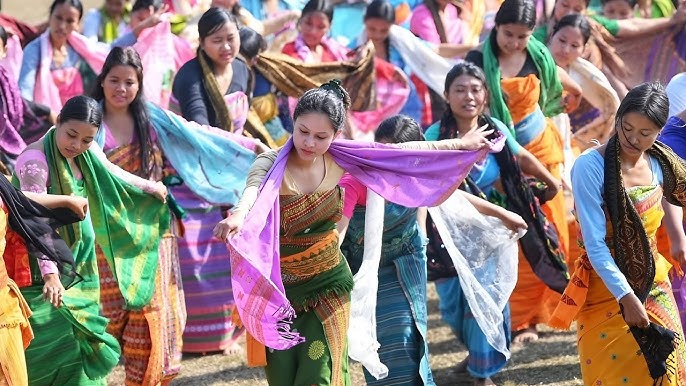
Through strategic CSR partnerships, we aim to create a model of community-driven development where tourism revenues directly benefit local communities, women entrepreneurs, and youth while preserving the ecological integrity of this extraordinary landscape.
Biodiversity Heritage
Home to some of the rarest species on Earth and two magnificent national parks.
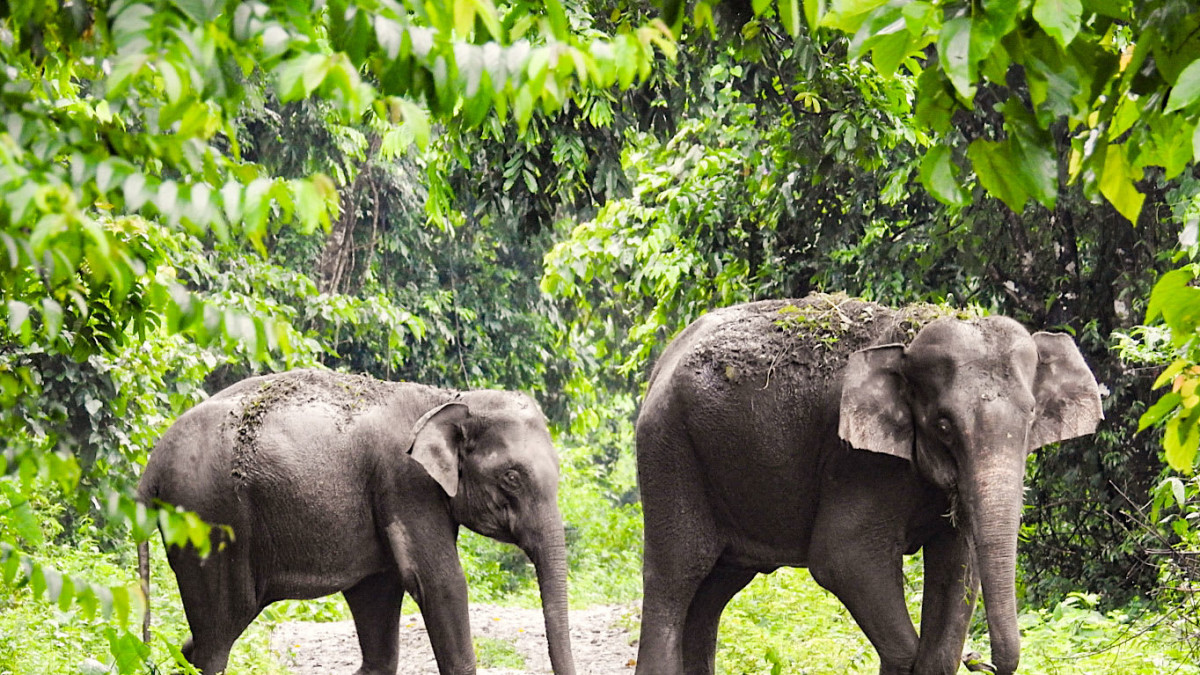
Manas National Park
UNESCO World Heritage Site, Project Tiger reserve, elephant reserve, and biosphere reserve. Iconic species include Royal Bengal Tiger, Asian Elephant, and Pygmy Hog.
Raimona National Park
Declared in 2021, spanning 422 sq km in Kokrajhar. A transboundary conservation area connected to Bhutan's forests. Primary habitat of the endangered Golden Langur.
Golden Langur
Endemic to the region with fewer than 7,000 remaining. The Golden Langur is a flagship species for Bodoland conservation and a unique draw for primate tourism.
Five Districts
Kokrajhar
Administrative headquarters of BTR. Home to Raimona National Park and Chakrashila Wildlife Sanctuary.
Chirang
Gateway to Manas National Park. Hosts the famous Dwijing Festival on the Aie River.
Baksa
Shares Manas landscape. Known for Bogamati and adventure tourism along the Bhutan border.
Udalguri
Home to Bhairabkunda tri-junction and Gethsemane Man-made Forest.
Tamulpur
Newest district of BTR with emerging eco-tourism potential and rich agricultural heritage.